
.webp)
How Feeding Development Leads to Speech: A Pediatric PT's Guide From Birth to Talking
A pediatric PT breaks down how infant reflexes, maternal hormones & motor development (0-12m) lay the foundation for chewing & speech.
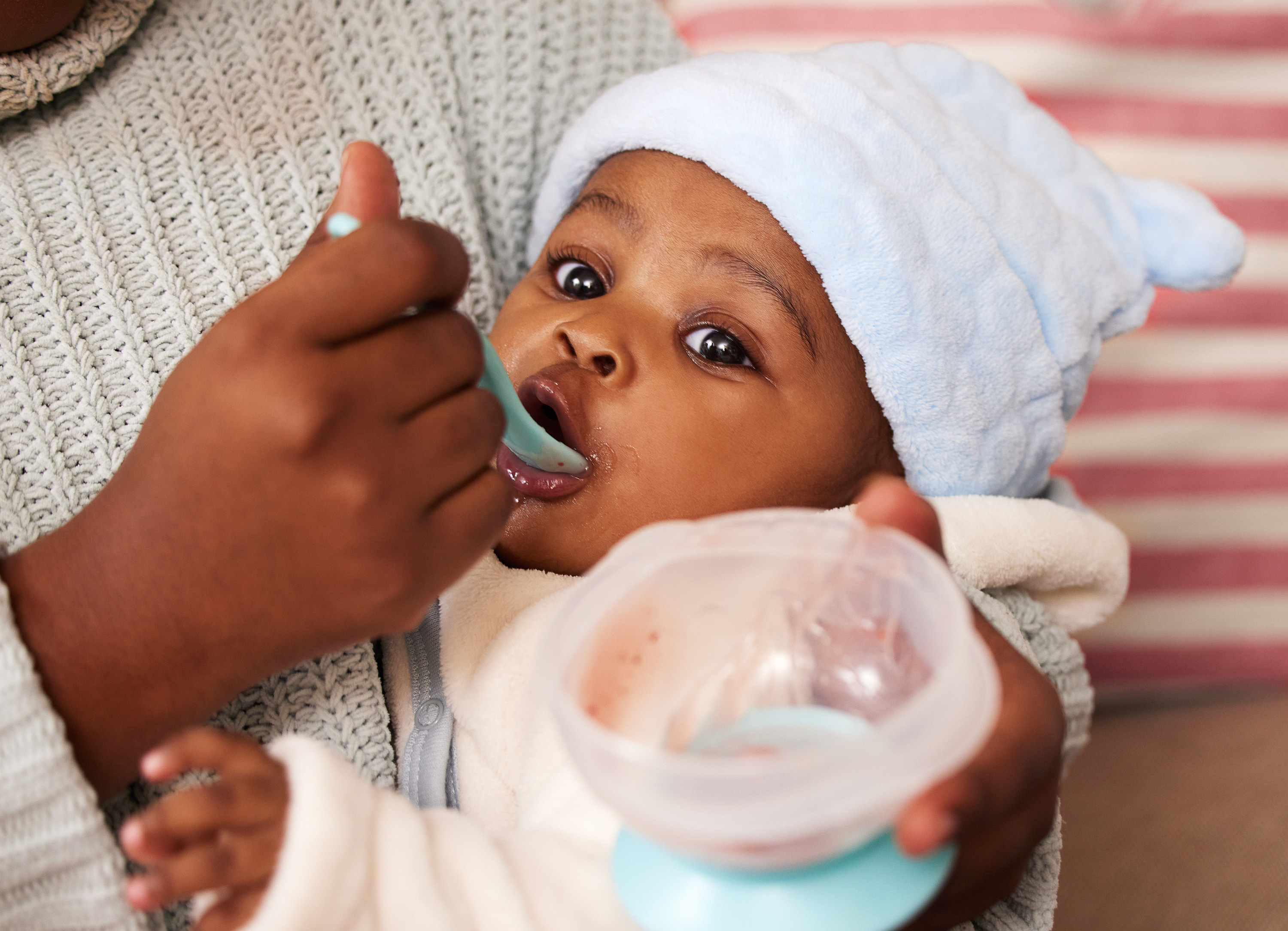
0 to 3 Months: The Reflexive Suck
From the moment a baby comes earthside, several reflexes emerge to allow feeding to happen. Sucking is stereotyped and rhythmic, driven by the brainstem. Head and neck stability are still immature, which is exactly why positioning support does so much during this stage. A Baby simply does not have the postural control yet to do that work independently. A baby who has not had an opportunity to use the reflexes properly can have difficulty once these reflexes need to become more active coordinated movement.
3 to 6 Months: Head and Trunk Control Set the Stage
This is where feeding starts to shift from purely automatic toward more organized active motion. As head control stabilizes and trunk stability begins to emerge, the baby moves from a purely reflexive suck toward a more coordinated, intentional suck-swallow-breathe sequence.
By 6 months, many babies can sit briefly with support, which starts to free up the trunk so the jaw, cheeks, and tongue can begin moving more independently from the rest of the body. This is a core principle in pediatric feeding therapy: you cannot get isolated oral motor control without proximal stability first. Head, neck, trunk, and pelvis all have to organize before the mouth can specialize. This same trunk stability also allows the baby to use their arms to reach for food and bringing it to the mouth.
6 to 9 Months: Hand to Mouth Is Sensory Rehearsal
Hand-to-mouth exploration is not just a self-soothing habit. It is active sensory motor learning. Every time your baby brings a hand, a toy, or a piece of food to their mouth, they are building the proprioceptive map of jaw range and tongue movement they will need for munching and rotary chewing.
Reaching and grasping, both powered by improving shoulder and trunk stability, feed directly into self-feeding readiness. Jaw grading, the skill of opening just enough for a spoon or just enough to bite, depends on the same postural control that let your baby sit with less support just a few months earlier.

-3.jpg)

